
If you own an older residential building in New York City, it could very well contain lead paint. Lead paint was banned in NYC in 1960, but it remains in many Big Apple residential buildings built before that. You may have already started to see some common signs of lead-based paint hazards in your building.
The only surefire way to detect the presence of lead paint in an aging New York City residential building is by calling on the EPA Lead-Safe certified inspectors from NY Lead Paint Experts to perform an X-Ray Fluorescence lead inspection. Under NYC’s Local Law 31, anyone who owns a residential building built before 1960 must arrange to have one of these inspections conducted before August 2025 to avoid potential penalties. Those who own buildings built between 1960 and 1978 known to contain lead paint must also go through this process.
You should make it a point to schedule a lead paint inspection sooner rather than later for your residential building in NYC. In the meantime, you should also monitor your building for any signs of lead-based paint hazards and do what you can to make them less hazardous to people’s health. Learn about them below.
What Are the Most Common Signs of Lead-Based Paint Hazards?
If you have lead-based paint in your pre-1960 residential building in New York City, you won’t necessarily be able to tell just by looking at it. Lead paint typically looks like other types of paint to the naked eye. This is a big part of the reason why NYC’s Local Law 31 was created in the first place, as it’s designed to bring awareness to which residential building owners, landlords, and property managers in the Big Apple might be inadvertently exposing others to lead paint.
Generally speaking, it’s often a good idea to assume you might have at least some lead paint in an older NYC residential building and take steps to limit the lead-based paint hazards that might exist in it. Some of these hazards might include:
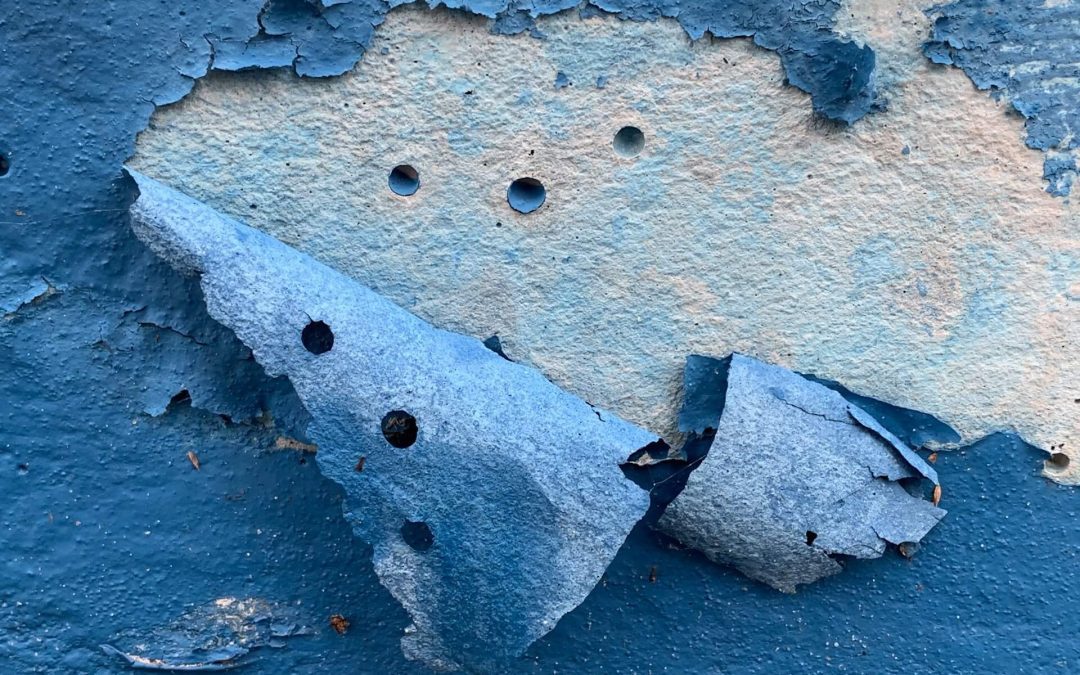
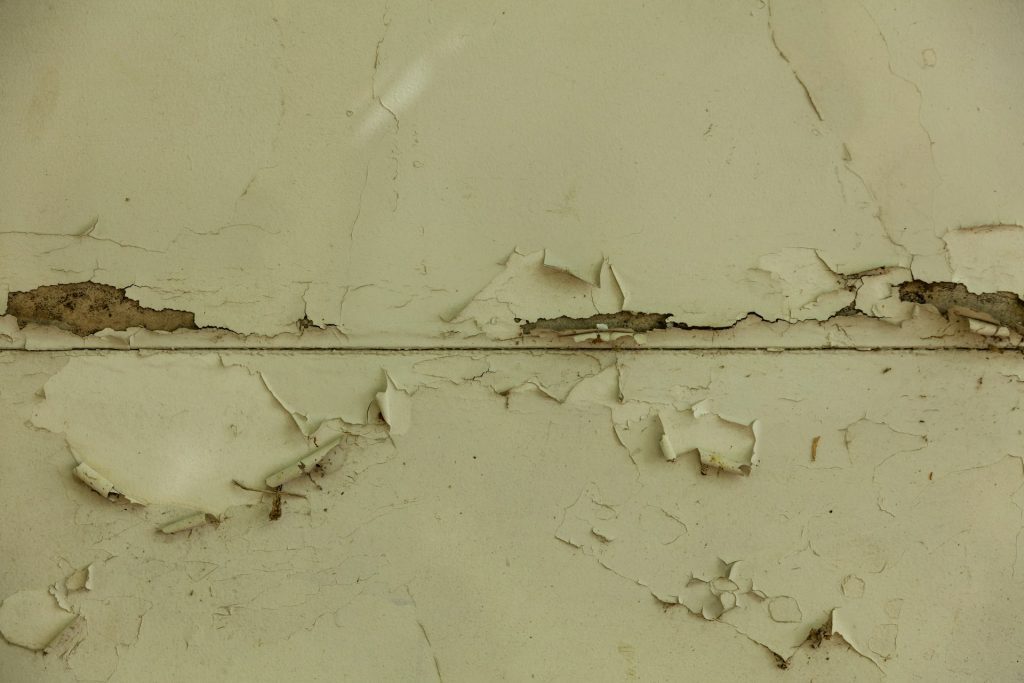
- Peeling, chipping, bubbling, cracking, and chalking paint on the walls in your residential building
- Deteriorating wood or plaster surfaces with paint on them that are beginning to fall apart
- Worn-down surfaces on doors and windows with paint on them
It’s easy to overlook these lead paint hazards since you might not always notice them when you’re in your older residential building. Keep a closer eye out for them so that you can spring into action and stop them from causing possible health complications for others.
What Should You Do if You See Lead-Based Paint Hazards?
If you pay close attention to the paint on the walls and other surfaces in your older residential building in New York City, you might start to see some of the different lead-based paint hazards. From there, you may be tempted to:
- Try to remove paint from walls and other surfaces on your own
- Attempt to paint over damaged paint
- Rip out wood or plaster with lead paint and dispose of it yourself
You might have positive intentions in each of these cases, but you could end up doing more harm than good. It would be a much better idea to reach out to a lead inspection and abatement company like NY Lead Paint Experts for assistance with your potential lead paint problem. They can test your building for lead and come up with a plan for getting rid of it right away if it exists.
Is Lead-Based Paint Harmful to People’s Health?
The answer to the question, “Is lead-based paint harmful to people’s health?” is an emphatic “yes!” This paint can wreak havoc on a person’s health in a variety of ways. Young children, in particular, are often susceptible to the various health risks that lead paint can pose.
This explains why it’s so essential to look for lead-based paint hazards and take steps to minimize them. By doing this, you can help others avoid suffering from health issues caused by prolonged exposure to lead paint.
What Are the Biggest Lead-Based Paint Symptoms?
Lead-based paint symptoms won’t begin to rear their ugly heads after someone is exposed to lead paint for just a day or two. But if you own a residential building in New York City that people live in all the time, it likely won’t be long before at least some of your tenants start to show signs of these symptoms.
These symptoms may include:
- Frequent headaches
- Stomachaches, cramping, and constipation
- Nausea and vomiting
- Muscle and joint pain
- Fatigue and sleep troubles
If these symptoms remain undetected for too long, more serious symptoms might also emerge. They can include high blood pressure, kidney damage, learning and behavioral issues, and more.
Who Can You Trust To Find and Remove Lead Paint?
If you’ve spotted any common signs of lead-based paint hazards in an older New York City residential building, don’t simply turn a blind eye to them. You could put the lives of others at risk by doing this. You could also end up breaking NYC’s Local Law 31 when August 2025 rolls around and face heavy fines for your negligence.
Steer clear of making either of these mistakes by relying on a trusted company like NY Lead Paint Experts to inspect your building for lead paint. We can help you detect the presence of lead paint in your building if it exists, and we can also come up with a comprehensive plan for removing it from your property if you would like.
Contact Us To Schedule a Lead Paint Inspection or Lead Paint Removal
The answer to the question, “Is lead-based paint harmful?” is always “yes.” It’s why New York City decided to ban it for good more than half a century ago.
If you believe you might have lead paint in your residential building in New York City and you’re seeing signs of lead-based paint hazards, don’t ignore them. Instead, call the experienced and knowledgeable lead paint inspectors from NY Lead Paint Experts for assistance. Contact us now to schedule an appointment.